Smile Design Implant Centers News

A Complete Guide: What to Expect on Your Routine Dental Examination

December 13, 2023

Welcome to our comprehensive guide on what
to expect during your routine dental examination! Whether you’re a dental
newbie or a seasoned patient, understanding the importance of regular dental
exams is crucial for maintaining optimal oral health. From preventing cavities
to detecting early signs of gum disease, these check-ups play a vital role in
keeping your smile bright and healthy. So, buckle up as we take you through the
ins and outs of a typical dental exam and shed light on how often you should schedule
one. Let’s dive right in!

(more…)

Can Stress Affect Oral Health?

November 14, 2023

Stress is a natural response that our bodies have to certain situations, whether it’s a looming deadline at work or an unexpected life event. It triggers the release of hormones like cortisol and adrenaline, which prepare us for “fight or flight” mode. While this response can be beneficial in short bursts, prolonged stress can take its toll on our overall health.

(more…)

4 Common Situations that May Require a Tooth Extraction

September 20, 2023

Are you experiencing tooth pain that just won’t go away? Or maybe your dentist has recommended a tooth extraction, and you’re wondering why. Whether it’s due to decay, injury, or overcrowding, sometimes our teeth need to be removed for the sake of our oral health. In this blog post, we’ll explore a few common situations that may require a tooth extraction.

(more…)

Top Reasons Why You Should Replace Missing Teeth

December 25, 2022

Did you know that your tooth roots, jawbone tissue, gums, and other teeth hold all your teeth in place? According to oral health experts, losing one tooth increases the risk of further tooth loss. Besides having a tremendous impact on your self-confidence, missing teeth leads to other complications down the road. Luckily, restorative dentists are ready to discuss why patients should replace missing teeth with bridges, implants, and full-arch dentures in Reno.

What Are the Benefits of Replacing Missing Teeth?

Since replacing a missing tooth improves the mouth’s overall health, dental professionals highly recommend tooth replacement. Tooth loss negatively affects the surrounding teeth, nutrition, and jawbone density.

  • It Improves Your Ability to Speak

Oral structures such as the tongue and teeth play significant roles in speech. Correct pronunciation requires your tongue to touch the roof of your mouth and teeth as you form words. For this reason, missing teeth impacts your ability to speak clearly. Moreover, certain words become challenging to say depending on the areas in your mouth teeth are missing.  

Additionally, patients with missing front teeth usually avoid revealing the gap by developing the habit of mumbling or covering their mouth with their hands while talking. If you’ve suffered tooth loss and are looking to speak clearly and confidently, you’ll want to ask your dentist about tooth-replacement options that support proper speech.

  • It Restores Your Chewing Power

Changes in how you eat your food can result from missing one or more teeth. For instance, if you’re missing molars on one side of your mouth, you’ll chew your food slower using your teeth on the other side.  

Moreover, food debris can scratch your gums and cause pain when they enter where teeth used to be. Since missing teeth limits your diet to what your remaining teeth can handle, you’ll eat less and miss out on many vital nutrients. Unless you replace your missing teeth, this concern will result in poor nutrition and other health issues.

Besides filling in the gaps in your smile, tooth replacement options restore your chewing power. Since new teeth expand your diet, you won’t have to stick to soft foods or steer clear of harder, crunchier, and healthier food options.  

  • It Strengthens and Preserves Your Jawbone

Your teeth have roots that extend down to your alveolar bone or the portion of your jaw that anchors your teeth in your mouth. Your jawbone needs the tooth roots to stimulate new bone growth.  

When you lose a tooth, the area of your jawbone where the tooth is missing will no longer receive the necessary stimulation. The lack of stimulation triggers your body to absorb the minerals in the jaw and use them elsewhere.  

As a result, the jawbone surrounding the empty socket starts to deteriorate, and you may eventually experience facial collapse. When the shape of your face changes due to facial collapse, you’ll look older than you really are.

Since the implants act as natural tooth roots, replacing your teeth with dental implants or implant-supported dentures will give your jawbone tissue enough stimulation to keep it healthy.  

  • It Boosts Your Oral Health

Did you know that each tooth in your mouth supports the teeth around it? Once a tooth is missing, the surrounding teeth will have nothing to lean on. Consequently, they’ll shift out of their correct positions and tilt toward the open space, leading to dental misalignment.

Unfortunately, crooked teeth are more challenging to clean. For this reason, they increase your chances of tooth decay, cavities, or further tooth loss. Thankfully, tooth replacement options can help prevent excess hard-to-reach tartar buildup by keeping your remaining natural teeth in their original positions.

  • It Brings Back Your Self-Confidence

Whether you like it or not, the first thing people notice about you is your smile. People who aren’t satisfied with their teeth look often have low self-esteem. Consequently, they feel self-conscious and uncomfortable in social situations and might avoid them altogether.  

If you’re among the 25% of people with missing teeth who don’t feel comfortable with their smiles, you owe it to yourself to schedule a consultation with a qualified and experienced restorative dentist.  

What Are the Different Options for Tooth Replacement?  

Single Dental Implants

A dental implant is a screw-like post that acts as an artificial root once it has fused with the bone. Moreover, the dentist begins the procedure by surgically placing a single dental implant into the gum and jaw tissue by drilling a hole in the bone.  

Once the screw-shaped implant post fuses with the bone via osseointegration, the dentist attaches a temporary dental crown to the implant’s abutment until the gums heal. Finally, they’ll remove the temporary crown and replace it with a permanent one.

Whether missing one or several teeth, you can restore your smile with multiple single-tooth implants. However, it’s worth noting that your dentist must place each implant individually.

Moreover, the best candidate for a single dental implant has healthy gums, practices good oral hygiene, has enough bone to support the implant, and is a non-smoker. Conversely, patients who have any form of gum disease, have poor oral hygiene, don’t have enough bone density, and are smokers are likely to experience dental implant failure.  

Denture Retention Implants

Unlike traditional dentures that shift in the mouth or fall out, denture retention implants stay in place. Furthermore, the dentist surgically attaches the dentures to the mouth by installing dental implant screws into the jaw for an effective and permanent solution.  

Besides offering more stability, denture retention implants retain jawbone density and eliminate the need for denture adhesives. Best of all, these tooth replacements typically last a lifetime. It’s worth noting that anyone who’s missing several teeth and has good gum, bone, and overall health can benefit from this treatment.  

Full Arch Dentures

This tooth-replacement option replaces all teeth in your upper or lower jaw with one full bridge arch. Since a full arch treatment requires less surgery than other options for restorative dentistry, it’s more convenient and affordable than other procedures.

Your dentist makes your custom bridge arch by grabbing an impression of your teeth before the treatment. Next, they’ll strategically place each implant in your mouth before having the arch over them. Once you complete the healing process, the dentist fits you for your permanent bridge.

Considering Full Arch Dentures in Reno?

At Smile Design Implant Center, we offer top-quality dental services so you can achieve your best smile yet. Contact us today to make an appointment.

Get Your Smile Back

We at Smile Design Implant Center exist to help our patients transform their lives and improve their health and quality of life.  We believe that a beautiful, confident smile equates to a healthier, more fulfilling life. We strive to be the premier practice in dental transformation through service and technology.

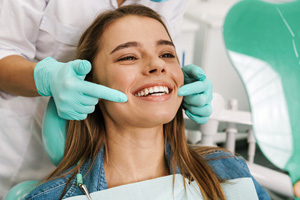
Custom Dental Prosthetics: Types, Procedure, and Longevity

Losing even just one tooth is like losing your confidence altogether. A missing tooth can negatively impact your oral health and quality of life. It has been proven in recent studies that at least 120 million American adults have a missing tooth. This number is estimated to grow in the next 20 years. Luckily, custom dental prosthetics in Reno are available to fill the gaps left by your missing teeth and restore your smile.

This article will help you decide which custom dental prosthetic is the right for you!

What Are Custom Dental Prosthetics?

Custom dental prosthetics are devices used to replace a missing tooth or repair damaged teeth. They come in different types and fixtures and can be fixed or removable. Most dental prosthetics are crafted using state-of-the-art technology to secure their stability and appearance. All kinds of custom dental prosthetics aim to improve your mouth’s overall condition.

What Are the Different Types of Custom Dental Prosthetics?

  • Dental Crowns

A dental crown can be made of metals, porcelain, resin, and ceramics. It is a tooth-like cap that is cemented or placed on top of a damaged tooth to restore its functionality and form.  

Most dental crowns could last for 15 years depending on the amount of depreciation the crowns are exposed to, and how well you practice dental hygiene and mouth-related habits such as grinding and opening packages with your teeth.

  • It requires at least two dental visits to get a dental crown.  

On your first visit, your dentist will examine the damaged tooth and the bone around it through an X-ray. After, your dentist will check for any risks of infection such as tooth decay or any injury to the tooth’s pulp using a root canal treatment. Once everything is clear, the tooth that will receive a dental crown will be filed down across the top and sides to make space for the crown.  

After this process, your dentist will get a copy or an impression of the tooth to ensure that the crown will not affect your bites. Lastly, the impression is sent to the laboratory for production and will be sent back to your dentist’s office.

On your second visit, your dentist will attach the dental crown to your damaged tooth. Before finally placing the permanent crown, your dentist checks its color and fit. If everything seems fine, an anesthetic or a numbing drug is used while cementing the permanent crown in place.

  • Dental Bridges

This dental procedure comes in handy for patients with one or more missing teeth. Dental bridges, often made of porcelain, fill the gap using one or more artificial teeth or pontics.  

Like dental crowns, dental bridges can last up to 15 years, depending on how much you take care of them.

There are at least four types of dental bridges: traditional fixed bridge, cantilever bridge, Maryland dental bridge (resin-bonded bridge), and an implant-supported bridge.

Traditional fixed bridges are the most common type among all dental bridges. They contain two or more crowns and a filler tooth or teeth placed over healthy teeth on each side of the gap in the mouth to hold the bridge in place. Traditional fixed bridges are usually made of porcelain fused to metal or ceramics.

A cantilever bridge is an artificial tooth or pontic that works by filling in the gap by connecting to only one abutment tooth. Cantilever bridges that use an implant for support offer a high success rate of 94.3%, according to a 2010 study.

A Maryland dental bridge (resin-bonded bridge) is helpful when you have missing front teeth. The wings on each side of this dental bridge bond to your existing teeth. It is usually made of porcelain fused to metal or ceramic teeth supported by a framework.

An implant-supported bridge is like a traditional fixed bridge but is cemented to the teeth instead of holding it in place using implants.

  • Dental Implants

This type of custom dental prosthetic is famous among other options for teeth replacement since it can last a lifetime with proper care. Dental implants serve as replacement tooth roots that provide a secure foundation for permanent or removable replacement teeth matched with your natural teeth.

Dental implants are sought after as they offer promising results such as improved smile appearance, improved comfort, improved speech, restored self-esteem, and enhanced oral health, among others.  

In general, dental implants have a success rate of 98%, depending on the placement of the implants in the jaw. Dental implants are the procedure of choice for young and old people alike. As long as you have enough jawbone where the implant can integrate with, you are more likely to be eligible for this custom dental prosthetic.

However, it’s important to note that the process of getting dental implants requires surgery. Some patients stiffen upon hearing about this. Fortunately, your oral surgeon can administer sedation dentistry to help you relax in the dentist’s chair.  

  • Dentures  

A denture is a removable tooth or teeth replacement device that typically comes in two types: complete and partial dentures.  

Complete dentures are commonly used in cases when all the teeth are missing. They are made after the teeth have been removed and the gum tissues have healed. This type of denture can either be conventional or immediate. Conventional dentures are used to replace missing teeth, typically eight to 12 weeks after the teeth have been removed. On the other hand, Immediate dentures are made in advance and can be used once teeth are removed.

Partial dentures are removable dentures that replace multiple teeth in the mouth’s lower and upper portion. This type of denture enhances chewing and speaking and can also preserve the placement of remaining teeth in your mouth.

  • Dental Veneers

This custom dental prosthetic is designed to cover the teeth’s front surface to improve your teeth’s appearance. Dental veneers are usually made from porcelain or resin composite materials which can help fix discolored teeth, worn-down teeth, broken or chipped teeth, misaligned or irregular teeth, and gapped teeth.

Usually, you must replace your dental veneers after seven and 15 years of use.

Are You Interested in Custom Dental Prosthetics in Reno?

Having the confidence to smile with a complete set of teeth hits different. With the help of custom dental prosthetics, you do not have to worry about missing teeth anymore!  

If you are interested in custom dental prosthetics in Reno, visit Smile Design Implant Center. We are passionate about giving you the perfect smile you deserve using our state-of-the-art dental facilities and equipment! Contact us today to schedule your consultation.

What Over-The-Counter Teeth Whitening Kits Don’t Want You to Know

Having a set of shiny and pearly whites goes a long way in building your self-confidence. Being directly proportional to attractiveness, more and more Americans want to achieve a beautiful smile. However, not everyone is naturally blessed with white teeth; thus, some utilize teeth whitening products to attain desired results. You may visit your best dentist in Reno for help.  

What are OTC Teeth Whitening Kits?

There are a few ways you can get ahold of teeth whitening products. Most patients prefer to ask for their dentist’s recommendation to make sure they get the right one for them. Others, on the other hand, purchase or make their own without the oversight of dental professionals. While both ways may still incur side effects, doing the latter incites a whole lot of risk.  

What are the Possible Side Effects of OTC Teeth Whitening Kits?

Teeth whitening methods have been present for decades. The American Dental Association (ADA) states that safe and effective teeth whitening options are available as administered by your dentist or through over-the-counter purchase.  

Unfortunately, most treatments – if not all – always have side effects, and the same goes with teeth whitening methods. Before you use one for yourself, it pays to know and understand the possible side effects first.

Tooth Sensitivity

Tooth sensitivity is probably the most common side effect among all teeth whitening procedures. This may happen if you have naturally sensitive teeth. Some other factors that may contribute to tooth sensitivity are exposure to mouth trays or whitening strips for a longer time, the presence of restorations, or the percentage of peroxide introduced to the teeth.  

Tooth sensitivity usually happens because the dentin layer of your teeth is exposed to the whitening agent. While sensitivity may wear off on its own, you may also try a few alternatives:

• Brushing with toothpaste made for sensitive teeth

• Pausing the whitening method for several days to allow the teeth to adapt

• Wearing the trays or strips for a shorter time

• Asking your dentist for a fluoride product to remineralize your teeth

Gum Irritation

The hydrogen peroxide or carbamide peroxide present in whitening agents may hurt your gums, causing irritation. Gingival irritation happens when the gums get exposed to teeth whitening products. During an office treatment, your dentist uses gel to prevent getting in contact with your gums.  

Mouth trays and whitening strips administered by your dentist are usually made to fit your teeth to avoid irritation with the gums.  

Enamel Erosion

Another common side effect of teeth whitening kits is enamel erosion. When the product has activated charcoal content, its coarse texture may easily scrape off your tooth’s enamel.  

Other products may also damage your enamel if the bleaching concentration is too high or the products are introduced to the teeth for a longer time.  

But why is losing the enamel a big deal? Your tooth enamel is essential since it serves as a protective layer for your teeth. Enamel erosion may lead to yellow and weak teeth, making them prone to further staining or damage.  

Effects on Dental Restorations

If you’ve already undergone dental restoration, then you should be more cautious with over-the-counter whitening products. Materials like the ones used for dental crowns and implants – for example – show the most resistance to peroxide.  

Relatively, studies show that whitening agents may have adverse effects on your dental amalgam as the peroxide gets in contact with the mercury leached from it. If you have a dental restoration and you want to whiten your teeth, it’s best to consult with your dentist to guide you with the best and safest option you can use.

Undesirable Results

Yes, spending money, time, and effort to whiten your teeth may still lead to undesirable results. With OTC teeth whitening kits, your teeth may not have a uniform color. Your teeth may need a higher concentration of bleaching solution to achieve desirable results. Or, maybe you didn’t get the correct and needed teeth whitening products for your teeth.  

With OTC teeth whitening kits, you can never be so sure what could go wrong or if you’d ever get the results you’re hoping for. Hence, all your efforts will just go to waste, not to mention the amount of money spend on useless items.  

How Can I Safely Whiten My Teeth?

While teeth whitening and its side effects are not mutually exclusive, it doesn’t mean you can never try it anymore. There are a few steps you can follow to achieve the results you’re hoping for without compromising the quality and health of your gums and teeth.  

Ask Your Dentist

This is rather common sense, but whatever product you introduce to your teeth and gums, you must consult with your trusted dentist first. Your dentist would listen to your concerns and perform necessary checkups and exams to decide on the best solution for your dental woes.  

Doing this also ensures that what you get is a personalized treatment plan designed for your dental needs and requirements.  

Look for the ADA Seal of Acceptance

Unfortunately, you can’t trust every product you can see in your nearby drug store or pharmacy. Make sure to check for a product’s safety and authenticity. Once the product is ADA approved, it means that the product has passed the reviews and tests for its effectiveness.  

Follow Product Instructions

You may think you can fast-track your desired results by applying more for a longer time. However, this is not the case with teeth whitening, and doing so may only damage your teeth and gums.

Each product has specified instructions meant for you to follow to attain a beautiful smile. Overuse or incorrect use of these products increases the risk for potential damage, which may sometimes be hardly reversible.

Consult with Your Best Dentist in Reno  

There’s no cheat sheet you can opt for to whiten your teeth, and over-the-counter teeth whitening does not happen overnight. That’s why we recommend you get a professional teeth whitening treatment from your dentist instead.

At Smile Design Implant Center, we know the value of beautiful teeth, and we work hard to provide that to our customers. There’s no one-size-fits-all solution to all dental needs; hence, we carefully design a customized treatment plan for you to get things done the right way. Call our friendly staff today, and together, let’s work to transform your smile.

Different Types of Dental Designs for a Dazzling Smile

Have you ever wondered what different types of Reno dental designs can do to transform your smile? Maybe you’ve heard that porcelain veneers are a popular way to enhance the appearance of your teeth or that clear aligners can help you straighten them. But do you know the difference between these and other types of dental designs?  

Dental designers use various materials and techniques to create dazzling smiles that are unique and individual to you. You can use dental designs to create a wide variety of looks, from subtle curves to bold lines, making our smiles more appealing to onlookers. We all want our smiles to be bright and beautiful, positively impacting our self-confidence.  

No matter what design you choose, your dentist is committed to providing you with the best care available so that you can achieve the smile of your dreams. But, there are many different ways to create a beautiful smile. This article will discuss each one so you can get an idea of which one to choose.

Common Types of Dental Designs  

Porcelain Veneers

Made from durable porcelain that enhances the appearance of your teeth, this treatment is highly successful at changing the appearance and bite of teeth. It is most popular for changing the appearance of discolored, worn, or chipped teeth. We typically use this technique to correct problems with the size, shape, bite, spacing, or crowding.  

As you age, your teeth become less strong, making them more vulnerable to breaking or chipping. Using veneers, we can make them appear healthier and stronger than they might otherwise appear. We will create a custom veneer that is precisely matched to your unique contours and then apply this material using special instruments.  

Once the veneer is applied, your teeth appear white and bright, and you will notice a significant difference in the way others perceive your smile. Porcelain veneers are widely accepted as one of the most effective ways to change the appearance of a crooked or misshapen smile.

Dental Crowns

A crown is a cap that completely covers the tooth and is designed to give back its sparkle. It is another popular method of dental design because it provides a natural and beautiful look to a tooth. It appears as a natural tooth with no discoloration, and the tooth can be as strong as it was before the damage.  

The crown may be used to repair a broken, chipped, or cracked tooth, or if you’re looking for a way to restore a damaged tooth that is too weak to receive a veneer, a crown may be a solution. A crown will also strengthen the tooth and make it less likely to break, chip, or crack again.  

We can create crowns using a variety of porcelain, gold, or composite materials. The crown will blend in with your other teeth and make them look completely natural. In many situations, we can place the crown on your back teeth to protect the tops from decay.

Teeth Whitening

Teeth whitening is a common procedure for people looking to improve the overall appearance of their smile. Teeth whitening is usually achieved using various whitening products, including bleaching strips, whitening gel, and custom-made trays. Depending on the teeth and skin tone, you can whiten your teeth by numerous shades.

While you may notice a difference in your smile within the first couple of weeks, the results will last several years. We will apply the whitening products directly to your teeth at the office, and then we will use special instruments to gently lift your gums to make sure that the whitening gel reaches every surface of your teeth. The amount of time it takes for the whitening gel to work will vary from person to person.  

Clear Aligners

Clear aligners are a great option if you want to straighten your teeth without braces. The aligners are made of flexible plastic designed to be worn for some time. Each aligner is specially made to fit on top of a specific tooth, and they are designed to gradually move teeth into the correct position. The aligners are made to be worn one at a time and can be removed when eating, brushing, flossing, or during special events.  

Clear aligners don’t require complicated surgery or complex adjustments by your dentist. There are three different types of aligners, and the different types are designed for correcting different types of dental problems. Clear aligners are used to straighten teeth, and the process is simple and painless.

Dental Bridges

Dental bridges are a great way to address tooth loss and restore your smile’s natural look. Instead of missing an entire tooth, you can instead have an artificial tooth placed that looks like the original tooth. As people age, the surrounding teeth can weaken and begin to decay, creating a painful problem for the person.  

We can create a replacement tooth supported by a crown using a dental bridge. It will look completely natural and will restore your smile. We will use the crown of the existing tooth to attach the bridge to, and we will place the artificial tooth with special instruments. A dental bridge is a long-lasting treatment that can last from two to 10 years.

Dental Implants

If you’re missing one or more teeth, a dental implant may be a great option for you. Dental implants are artificial root structures placed into your jawbone to replace the missing tooth’s root. The implant is designed to look and feel like the real tooth, and you’ll have the feeling that you’re not missing anything when you smile.  

Dental implants provide a strong foundation for your new artificial tooth, and they can last for decades. They are a great choice if you’re trying to improve your smile or if you want to repair a damaged tooth. Dental implants can be used as a replacement tooth, or you can use them to help support a removable prosthesis.

Want to Have a Dazzling Smile Through Reno Dental Designs?  

We all want a smile we’re proud to wear. At Smile Design Implant Center, we take pride in our ability to show you exactly how to achieve that goal. Our state-of-the-art digital office allows us to create a smile that you’ll be proud to show off. Contact us today to schedule your consultation!

‍

Everything There Is to Know About Halitosis Explained

Halitosis is an unpleasant oral condition caused by an unhealthy amount of bacteria in the mouth. The bacteria feed on foods like sugar and protein, producing acid that can damage the teeth and gums. Your Reno dentist will tell you an unhealthy diet usually causes it, but it can also be a symptom of an underlying health condition, such as a deficiency or infection.  

Most of the time, it’s nothing to worry about, but it can be embarrassing when it interferes with your life, especially if you’re having conversations with other people. The thought of it alone probably makes you want to curl yourself up and disappear into thin air.  

This article will tackle everything you need to know about halitosis to avoid being in a mortifying situation.  

Halitosis Explained

What is Halitosis?

The bacteria that cause bad breath, also called odontogenic, are a group of gram-negative facultative anaerobic bacteria that metabolize protein and amino acids. They cause bad breath by releasing volatile sulfur compounds into the mouth that then interact with the oxygen in the air to form sulfur dioxide, which is exhaled in the form of a foul odor.  

They grow in your mouth in between brushings and when food remains trapped between your teeth. It is called plaque. They also produce acid, which eats away at your tooth enamel, making it susceptible to decay and tooth damage.  

Halitosis is not an infectious disease, despite what some may tell you. It is also not contagious. It is a chronic condition that can be embarrassing and even cause people to avoid having conversations with you.

What Are the Symptoms of Halitosis?  

The first signs you should look out for include a foul taste and smell in your mouth, dry mouth, bad breath, and tooth sensitivity. You might even notice a bad taste in your food. Halitosis can also show up as a bad taste in the back of your throat, a bad taste in your saliva, or stomach pains or chest pains.  

What Causes Halitosis?  

There are a few factors that contribute to halitosis. It’s best to know what causes it so that you can take steps to prevent it from happening in the first place.

  • Oral Hygiene

The most important factor in halitosis is poor oral hygiene or the lack of brushing and flossing your teeth. If you have a lot of plaque buildup, it will inevitably lead to bad breath. A good oral hygiene routine will help you avoid this.  

  • Certain Foods

Certain foods, including onions, garlic, coffee, and smoked or fermented foods, can cause bad breath. These foods produce sulfur-based compounds expelled into the air through your mouth.  

Other foods that cause an unpleasant odor include processed meats, such as ham and sausage, containing large amounts of sodium. They cause bad breath through a different chemical process than the other foods mentioned above, and while they are not as common in bad breath-causing foods, they can still bring unpleasant smells.  

In addition, spicy foods are also a cause due to the increase in salicylate content, a component of many spicy foods.  

  • Periodontal Disease

Periodontal disease, also known as gingivitis, is caused by an accumulation of bacterial plaque that causes the gums to become inflamed. Gingivitis can cause bad breath as the bacteria ferment the sugar in the foods you eat.  

The gums can swell and pull away from the teeth, causing them to become loose. The bacteria can then enter the bloodstream and travel to the lungs, causing pneumonia. If left untreated, this can lead to tooth loss and tooth decay.  

  • Odor-Causing Bacteria in the Mouth

When bacteria are present in the mouth for long periods, they can build up to dangerous levels and cause bad breath. They cause plaque formation, which makes the mouth smell and taste bad. Different kinds of bacteria are responsible for bad breath, but the most common are the following:  

Staphylococcus Aureus can cause severe gum infections, infections, and abscesses. It can also be responsible for various serious conditions such as pneumonia and lung infections.  

Streptococcus is the most common cause of bacterial infections such as strep throat and tonsillitis. It also causes gums to become inflamed.  

Pseudomonas is a very common cause of cystitis, sinus infections, and pneumonia. It can also cause bad breath, often found in smokers.  

  • ‍Dry Mouth

A dry mouth is when the mouth is not producing enough saliva. Saliva keeps the mouth moist, which prevents the growth of bacteria. There are a variety of causes for dry mouth, including a lack of minerals in the body.  

Certain medications and alcohol consumption also affect the amount of saliva that the body produces. One of the best ways to alleviate dry mouth is to drink more water, preventing bacteria from growing.  

  • ‍Tobacco Products

Tobacco products such as cigarettes are bad for your oral hygiene. Nicotine dries out the mouth, and even if you brush every day, it can still cause bacteria to grow. It can also irritate the inside of the mouth, causing them to inflame, swell, and cause bad breath. That is why it is best to quit smoking completely.  

In addition to this, these products also contain chemicals that have been linked to a variety of health problems, including cancer. ‍

  • A Health Condition

Some health conditions may cause bad breath, such as liver or kidney disease. If you are experiencing any unusual or persistent bad breath, it may signify a more serious health condition that needs to be checked out.

  • Improper Cleaning of Dental Prosthetics

Prosthetic appliances such as dentures and crowns have a high risk of developing bacterial infections. Plaque and debris build up on these appliances, creating a breeding ground for bacteria that can become extremely harmful, especially when they are left untreated for long periods.  

If you have a prosthetic appliance, make sure to clean it properly. Many people clean their appliances by brushing them, but this method doesn’t remove all the bacteria. If your appliances are extremely dirty, you may need to use a denture cleaner to properly clean them. Remember that different types of dental products are available that are specifically designed to clean your appliances, and you must consider choosing from these items.  

Treat Halitosis with the Help of Your Reno Dentist

We don’t want you to go through the embarrassment of having bad breath. Call our friendly staff at Smile Design Implant Center today to schedule a consultation with us.  

Enjoy a New Smile in the New Year with Dental Implants!

Losing a tooth can negatively impact both your appearance and your oral health. Fortunately, modern dental technology makes it easy to replace your missing tooth. Dental implants are a popular and effective tooth replacement option.

What Are the Benefits of Dental Implants?

A dental implant is a tooth replacement that looks just like a natural tooth. They are designed to look, feel, and function just like a real tooth. With proper care and maintenance, your implants could last for your entire life! Here are some of the many benefits of dental implants in Reno, NV.

Dental implants are very strong and durable.

An implant is made of titanium metal that fuses with the jawbone through a process called osseointegration. This process creates an extremely stable foundation for an artificial tooth. Unlike dentures, which can slip or cause discomfort while you eat or speak, an implant feels natural and is as strong as natural teeth. Your dental implants will look, feel, and function like natural teeth, allowing you to eat all your favorite foods again. 

Dental implants can help prevent bone loss in the jaw.

The bone in your jaw can start to deteriorate when a tooth is missing. By replacing your tooth with a dental implant, you can prevent further bone loss. Osseointegration will also help prevent facial collapse from tooth loss by creating a strong base for your artificial teeth. This will keep your jawline intact so you can maintain a youthful appearance.

Dental implants can give you a full smile again.

Dental implants make your smile look complete and natural. If you have several missing teeth, you can get a bridge or an implant for each one. This will give your smile a more natural look and restore your ability to chew and speak normally. A full set of teeth can also give you a more youthful appearance because the gaps in your smile can make you appear older than you are.

Dental implants are a permanent solution for missing teeth, letting you enjoy a fully functional and natural-looking smile again! Unlike removable dentures, which must be removed for cleaning and sleeping, you can clean your smile with ease with the permanent implant dentistry solution. Implants are also completely comfortable, with no slipping or sliding while you eat and speak. With properly placed implants, you can enjoy all the same benefits of a strong bite and healthy teeth that you enjoyed with your natural teeth. Some patients find that their dental implant solution is even stronger than their regular teeth!

To learn more, visit Smile Design Implant Centers in South Reno, Nevada. We are located at 748 South Meadows Parkway #A8, Reno, NV 89521. 

Easing Dental Anxiety: Coping Methods that Can Help

It is normal to feel anxious about a dental visit. If you suffer from dental anxiety, you might feel an overwhelming sense of fear when you think about going to the dentist. This fear can make it difficult for you to go to the dentist, even if you have a dental problem that needs attention. If you suffer from dental anxiety, it is never too late to get help. Once you overcome your dental anxiety, you will be able to go to the dentist regularly and receive the care you need.

Dispel Dental Fear

Don’t let your fear of the dentist keep you from getting the dental care you need. In fact, your dentist wants to help you feel comfortable and at ease during your visits. Talk with him or her about your anxiety and ask what can be done to ease your fears so that you are comfortable during your appointments. Here are a few tips to help make your visit easier:

  • Talk about your fears with your dentist. He or she will want to know what concerns you the most so that you can work together to make your visit as pleasant as possible.
  • Discuss a signal to use if you need to take a break or stop a procedure due to discomfort. This can help cut down on any feelings of embarrassment or frustration. For instance, maybe you agree that you’ll raise your hand when you need a break. Or you can tap on the table to signal that you are feeling pain.
  • Ask a friend or family member to come with you and hold your hand during the procedure to help calm you down if you feel anxious. If the procedure is long, ask someone to take a short break at a time that is convenient for you.
  • Bring headphones to listen to your favorite music or podcast during your procedure. This can drown out the sounds of the tools being used on your teeth so that you feel more comfortable and relaxed.
  • Ask about sedation dentistry. Some patients find that they are more fearful than others during their appointments. If this is your case, your dentist may recommend oral conscious sedation or IV sedation so that your dental treatment can be completed while you are comfortable and stress-free.

To learn more, visit Smile Design Implant Centers in South Reno, Nevada. We are located at 748 South Meadows Parkway #A8, Reno, NV 89521.